

How to Choose Humane Pet Training Solutions in Australia

Training Necessities
Understanding Canine Learning Needs
In understanding canine learning needs, it helps to apply knowledge of animal behaviour and welfare. Dogs communicate differently than we do, often relying on cues we might overlook. Observing dogs at places like the Lone Pine Koala Sanctuary in Brisbane can provide valuable insights into their natural behaviours, helping determine if tools like an anti bark collar are truly necessary. What's fascinating is how these behaviours inform the ways they best learn and adapt to training.
Benefits of Positive Reinforcement
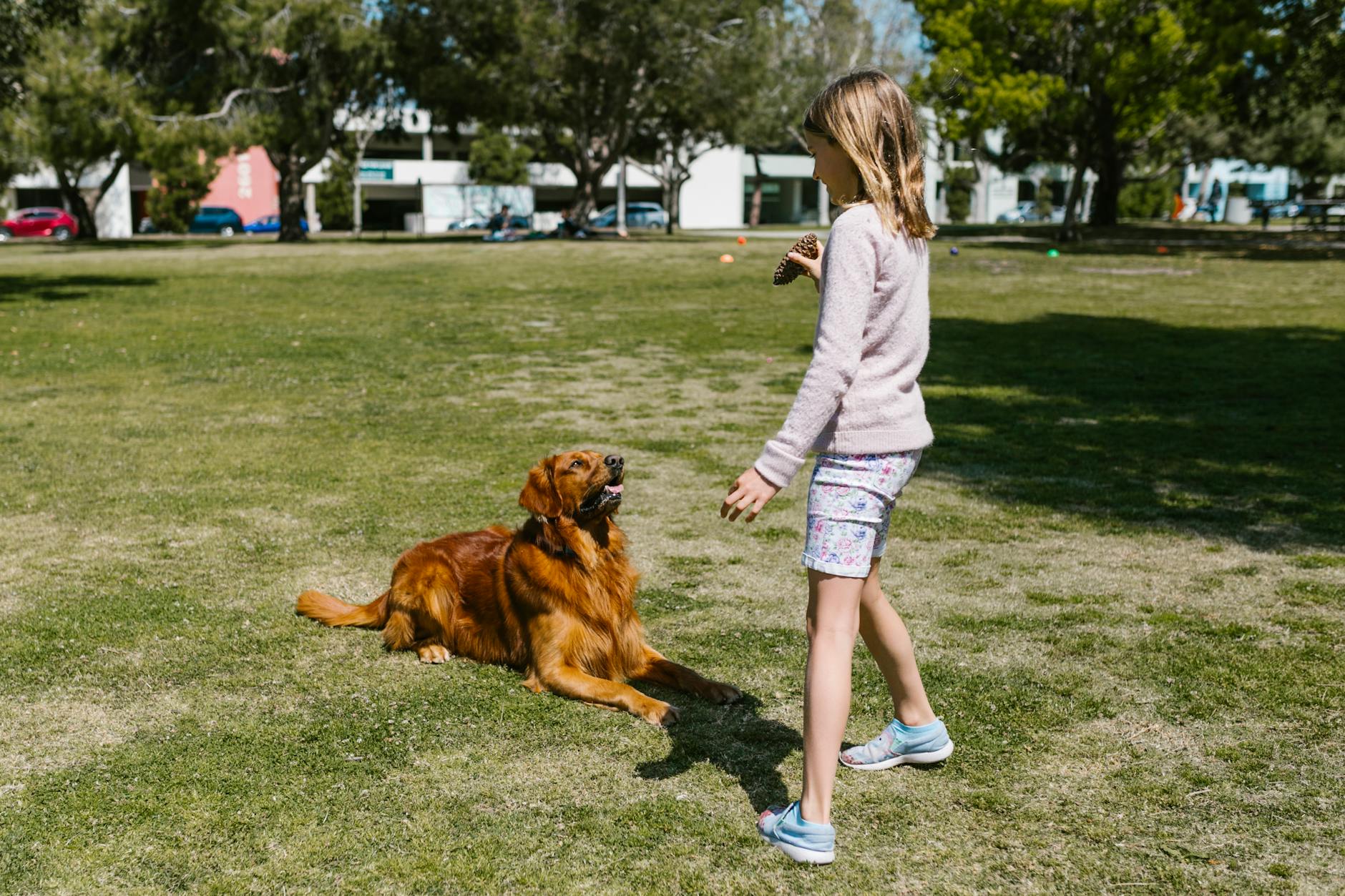
Positive reinforcement remains a cornerstone in the training realm. It encourages desired behaviours by providing a reward, be it a treat or verbal praise, fostering a strong bond between you and your pet. This method taps into a dog's natural desire to please and promote an enriching learning environment. By focusing on rewarding good behaviour, it reduces the chances of confusion and anxiety, crucial for a dog's wellbeing.
The Role of Consistency in Training
Consistency is key in ensuring effective training outcomes. Whether you're using popular tools such as training collars dogs or working on simple commands, keeping a routine helps your canine companion understand expectations. Dogs thrive in environments where the rules don't change unexpectedly. Regular visits to pet-friendly cafés in New Farm can be a great way to integrate training into everyday life while offering ample opportunity for socialisation. It’s about creating a space where they feel understood and motivated to learn.
Evaluating Training Options
Exploring Traditional Methods
As we weave through the myriad of training methods available for our furry friends, it's crucial to recognise the value of traditional approaches. These methods, deeply rooted in patience and reward-based techniques, often form the backbone of effective training. For instance, classic positive reinforcement involves rewarding dogs with treats or praise, fostering trust and understanding without harsh corrections. This method encourages desired behaviours and ensures a harmonious relationship.
Introduction to Modern Techniques
Transitioning to more modern techniques, technologies like the hidden dog fence offer innovative ways to manage our pet's roaming boundaries. An invisible dog fence can be particularly beneficial for individuals residing in urban areas, allowing pets the liberty to explore safely without the constraints of a physical fence. Beyond containment, these tools support training by designating safe zones for your pet to explore, much like the dog walking areas at the Brisbane City Botanic Gardens.
Choosing the Right Approach
Choosing the right approach can be overwhelming but is essential for effective training. It requires balancing traditional methods with modern technology, while always prioritising the well-being and comfort of the pet. Understanding individual pet needs, combined with a compassionate approach, can guide you in selecting methods that resonate most with your furry companion. As an empathetic pet advisor, my aim is to inform and encourage pet owners, empowering them to make the best choices for their pets.
Humane Tools and Techniques
Safe Use of Anti-Bark Collars
As a committed advocate for animal welfare, understanding the intricacies of tools like anti barking collar is crucial. Interestingly, while these collars can indeed help manage excessive barking, their effectiveness significantly hinges on their usage being conscientious and informed. It is important to look at collars that prioritize humane methods, such as a citronella dog collar, which emits a spray that distracts without causing distress.
When considering anti-bark collars, keep in mind the dog's comfort and safety. Opt for adjustable designs that allow customization to your pet's unique needs and temperaments. Initiate training in familiar surroundings—like the serene paths of Brisbane City Botanic Gardens' dog walking areas—where your pet feels secure. This setting facilitates a relaxed atmosphere that complements your reinforcement efforts.
Moreover, talk to pet owners about monitoring their pets' reactions and ensuring the duration of collar use isn't excessive. Emphasize the necessity to pair collars with positive reinforcement techniques to foster a well-rounded training experience. As a veterinary technician, Zoe understands that informed application of these tools helps pet owners foster trust in their pets, easing behavioral issues without compromising their emotional well-being. Your expertise can guide pet owners to make compassionate choices, leading to an enriched relationship between them and their furry companions.
Best Practices in Pet Training
Building a Training Routine
As someone deeply committed to fostering effective training routines, I understand the importance of building consistent schedules tailored to your pet's unique needs. It's crucial to integrate positive habits and establish a routine that gradually introduces various training elements. This consistency aids in creating an environment where learning becomes a natural, enjoyable part of your pet's daily life. Regular practice sessions should be short to maintain your dog's focus, preventing any unnecessary stress or fatigue.
Effective Communication Strategies
Communication is the cornerstone of any successful training regimen. Clear, consistent cues help your furry friend understand what's expected, reducing confusion and enhancing their willingness to learn. Observing reactions closely can guide you in adjusting your methods for better comprehension. Sharing information with fellow pet enthusiasts at pet-friendly cafes in New Farm often leads to fresh insights and strategies, enhancing your communication toolbox anti bark collars for training support.
Tailoring Methods for Individual Pets
Every pet is unique, with different temperaments and learning speeds. A one-size-fits-all approach rarely works, making it essential to tailor strategies to suit individual characteristics. Are they more responsive to verbal affirmations, or do they thrive on treats and toys? Maybe a snuggle puppy provides comfort during training to reduce anxiety. Understanding these nuances helps create an approach that resonates with your pet, fostering quicker learning and stronger bonds. Applying these practices effectively equips you with a compassionate means to train while ensuring your pet's best welfare.
Overcoming Training Obstacles
Addressing Owner Hesitation
It's common for pet owners to feel hesitant about committing to a training regime, particularly if they're worried about the impact on their furry companions. Here in Brisbane, we're blessed with resources like the Lone Pine Koala Sanctuary for those seeking assurances about animal welfare in training. Although brand names in training tools abound, understanding the essentials is more important than committing to a brand. Let's break down some barriers:
- Education and Resources: Approach training as a learning opportunity for both you and your dog. Use local resources like pet-friendly cafes in New Farm to engage with other pet owners and share experiences.
- Support Networks: Joining groups of like-minded individuals in dog walking areas of the Brisbane City Botanic Gardens can make a world of difference. Engaging with others helps dismantle fears and build confidence in what's possible.
Dispelling Pet Training Myths
There are countless myths surrounding pet training that can discourage even the most committed pet owner. For instance, the misconception that certain breeds cannot be trained effectively still persists. In truth, with the right approach and tools, every pet has the potential to learn and thrive.
- Breed-Related Concerns: All breeds can benefit from personalised pet training that respects their unique characteristics and personalities.
- Positive Connections: Focus on effective dog health strategies through positive reinforcement, ensuring a safe and nurturing environment for learning.
Overcoming Training Setbacks
Training isn’t an immediate transformation and can sometimes feel like a steep climb. However, setbacks are just part of the journey. Lean on compassionate guidance tailored to the unique behaviour of dogs you're working with.
- Adjust and Adapt: Accept that some techniques may require tweaking to suit your pet’s individual needs.
- Patience and Persistence: Like any relationship, growing with your pet involves time and effort. Celebrate small milestones and remember that consistent effort will lead to success.
Encourage yourself to embrace this journey with empathy, both for you and your pet, and know that your dedication to their wellbeing will create a lasting bond.